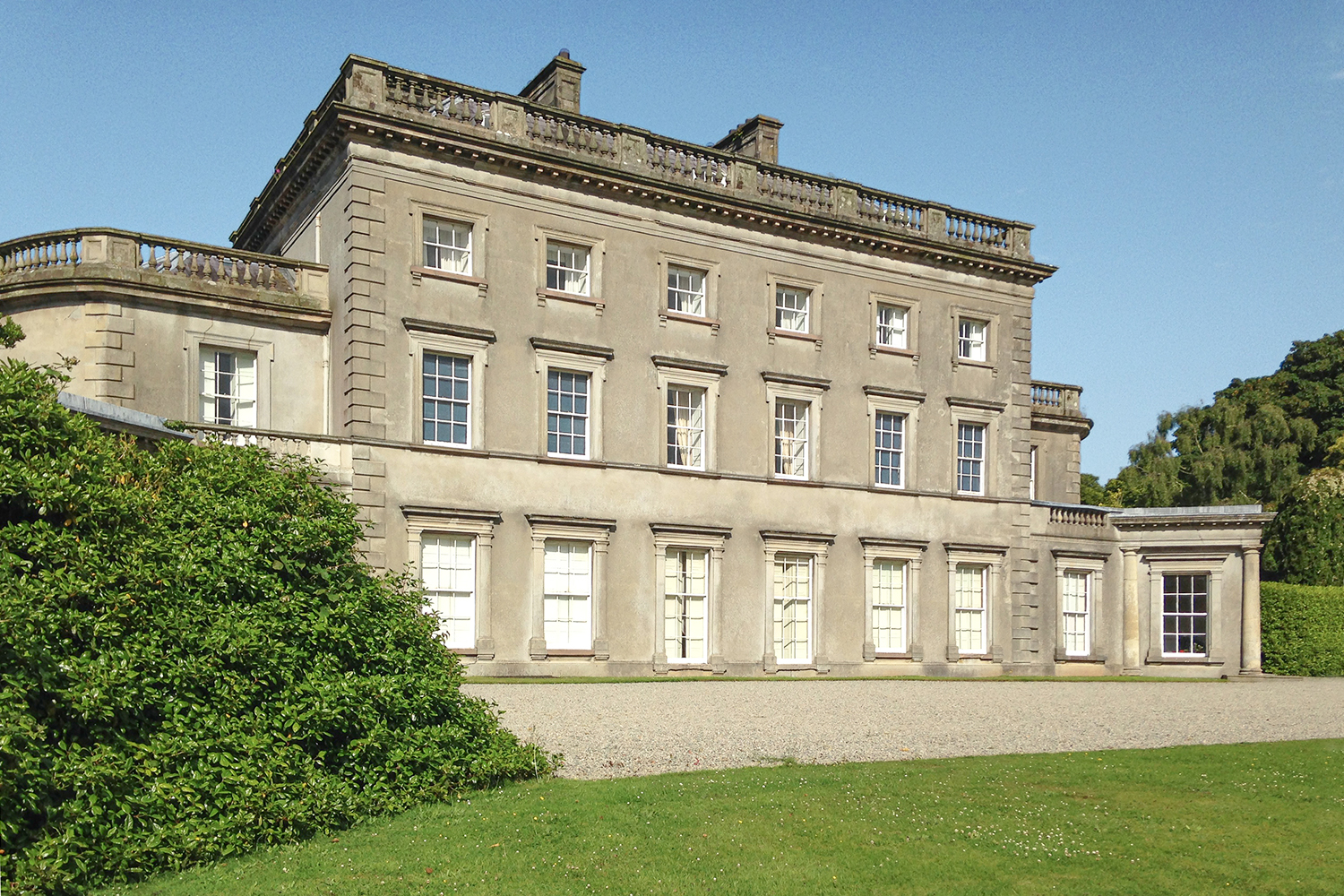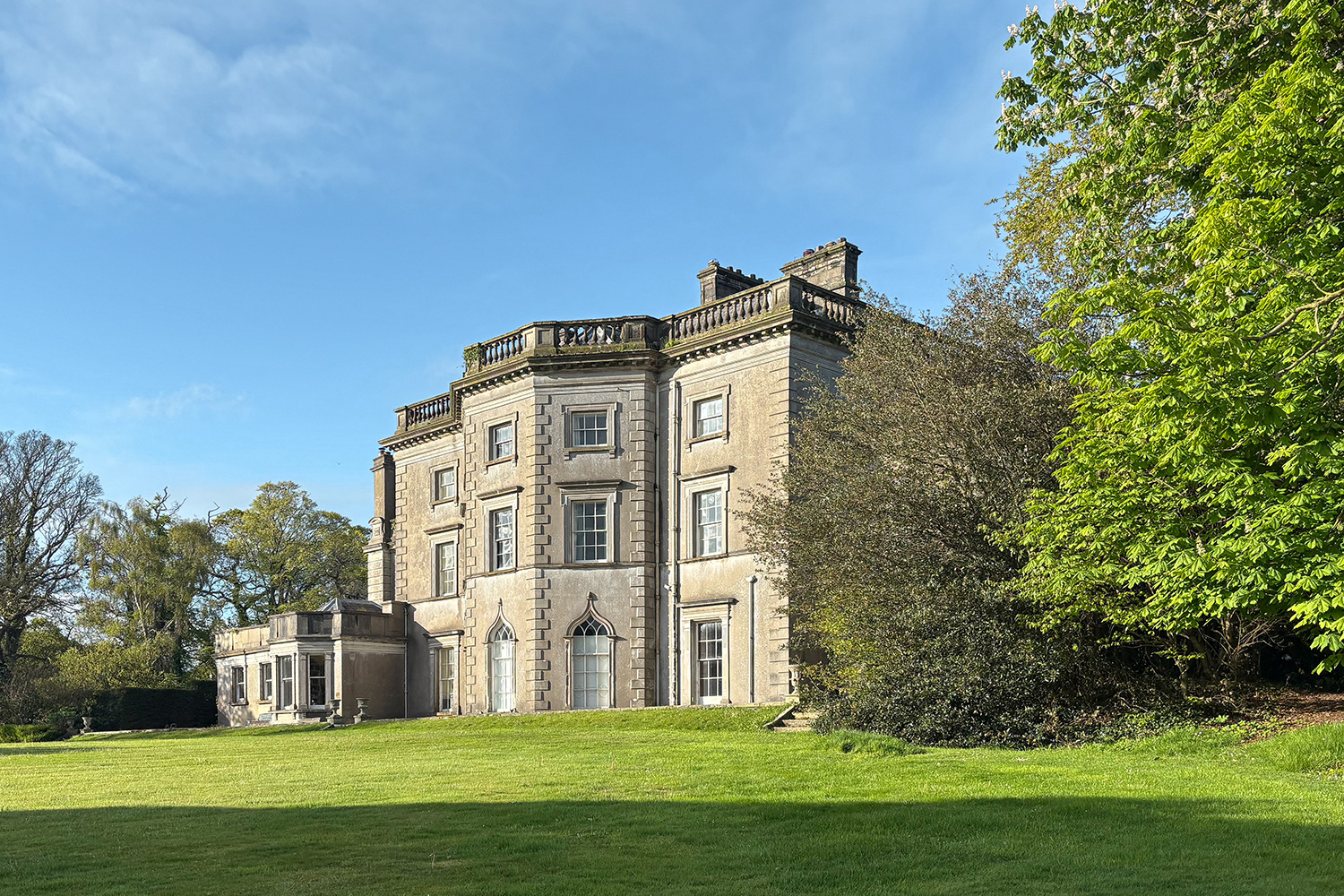

Grey Abbey house is a fine example of mid-18th century Irish Georgian architecture, being the third house built on the site, the previous two having been destroyed by fire.
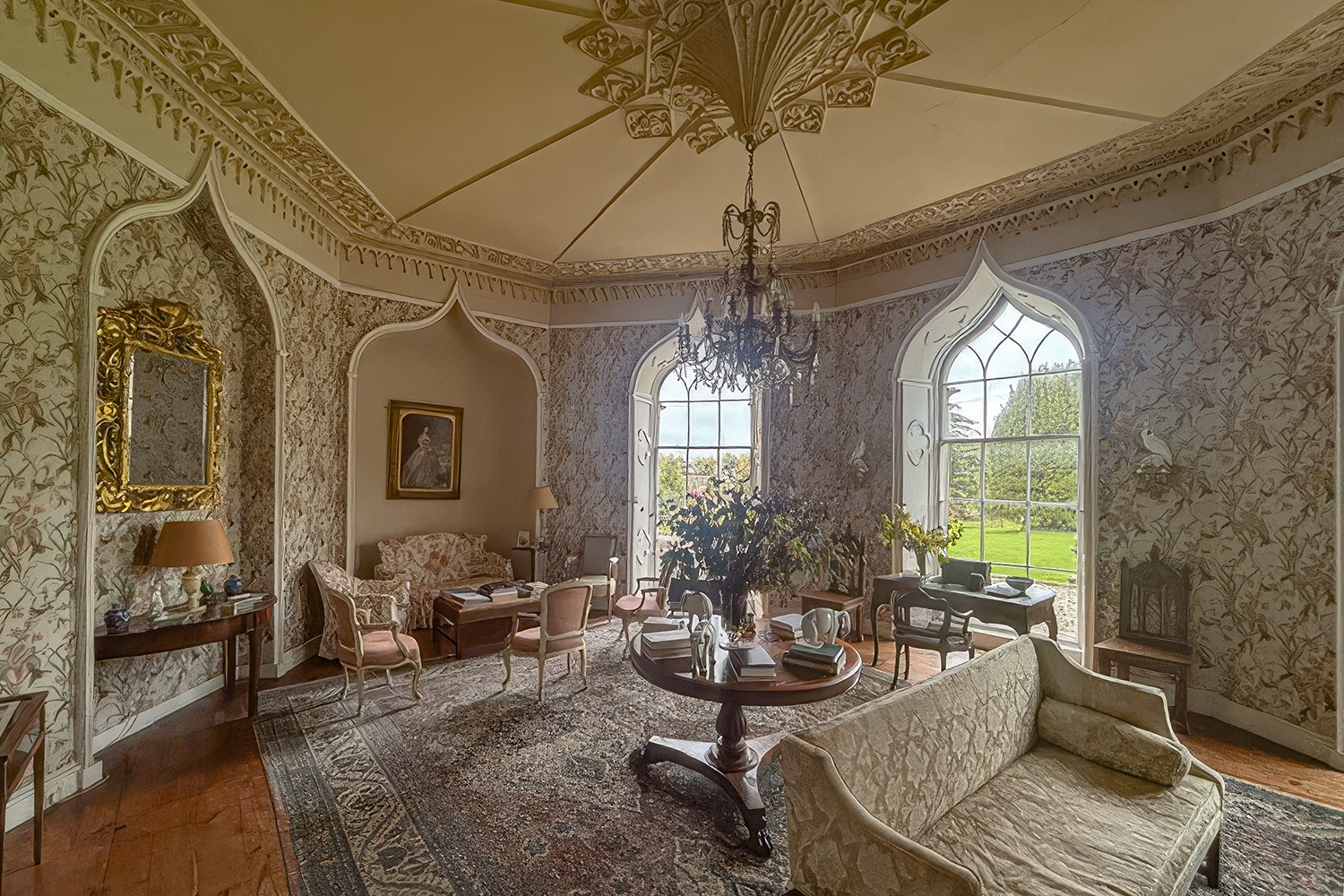
The house includes examples of elegant 18th century plasterwork, a classical entrance front and gothic garden front.
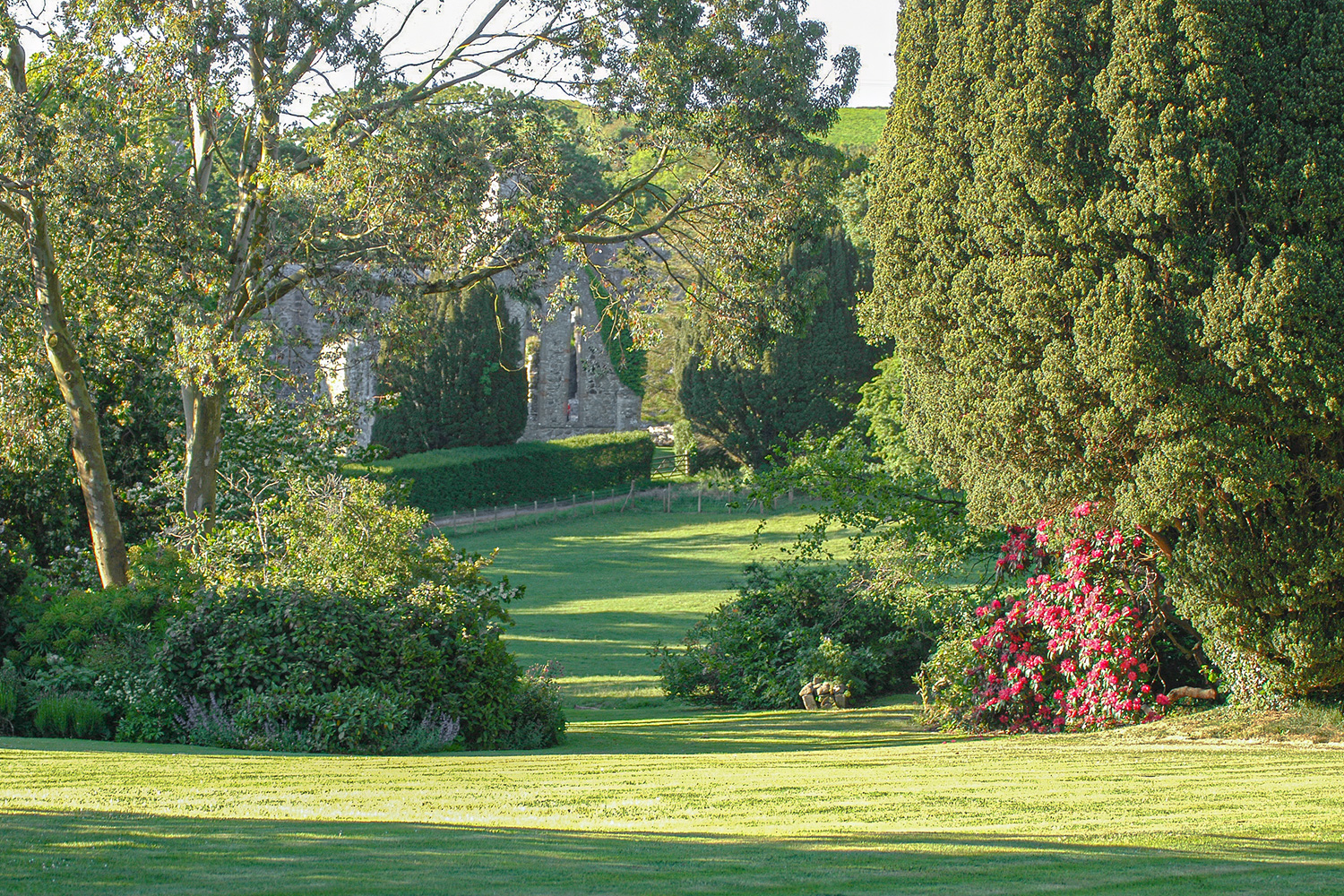
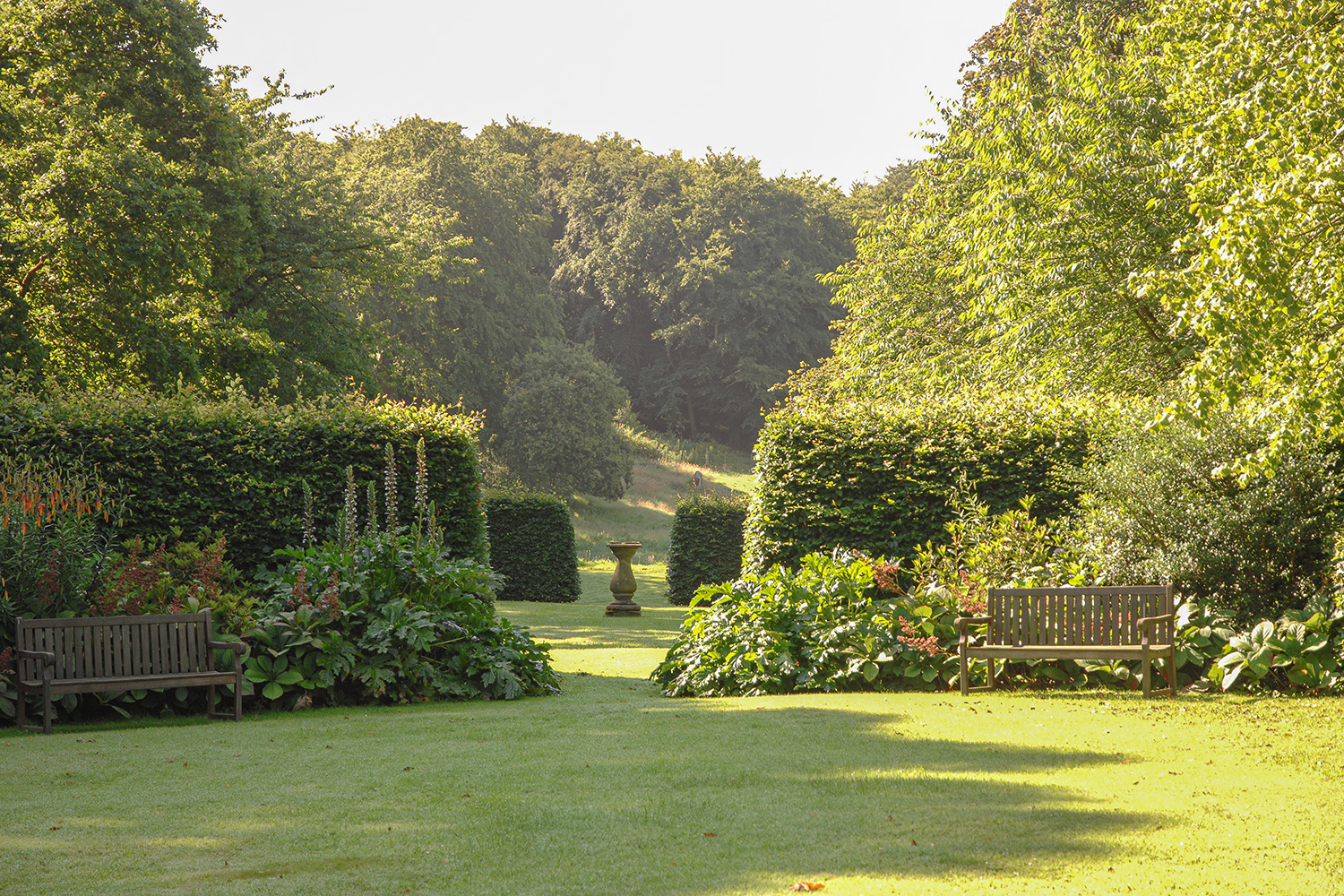
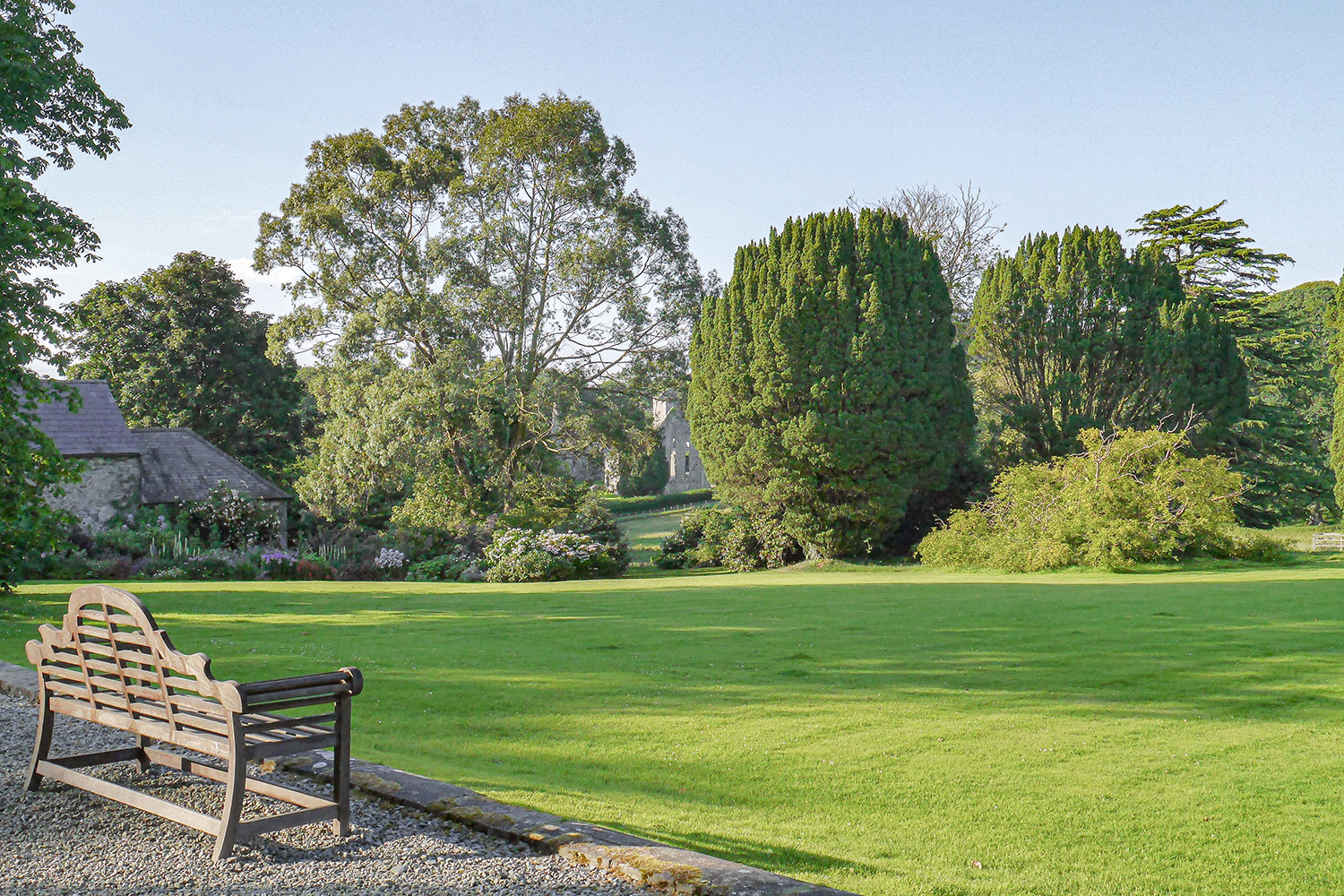
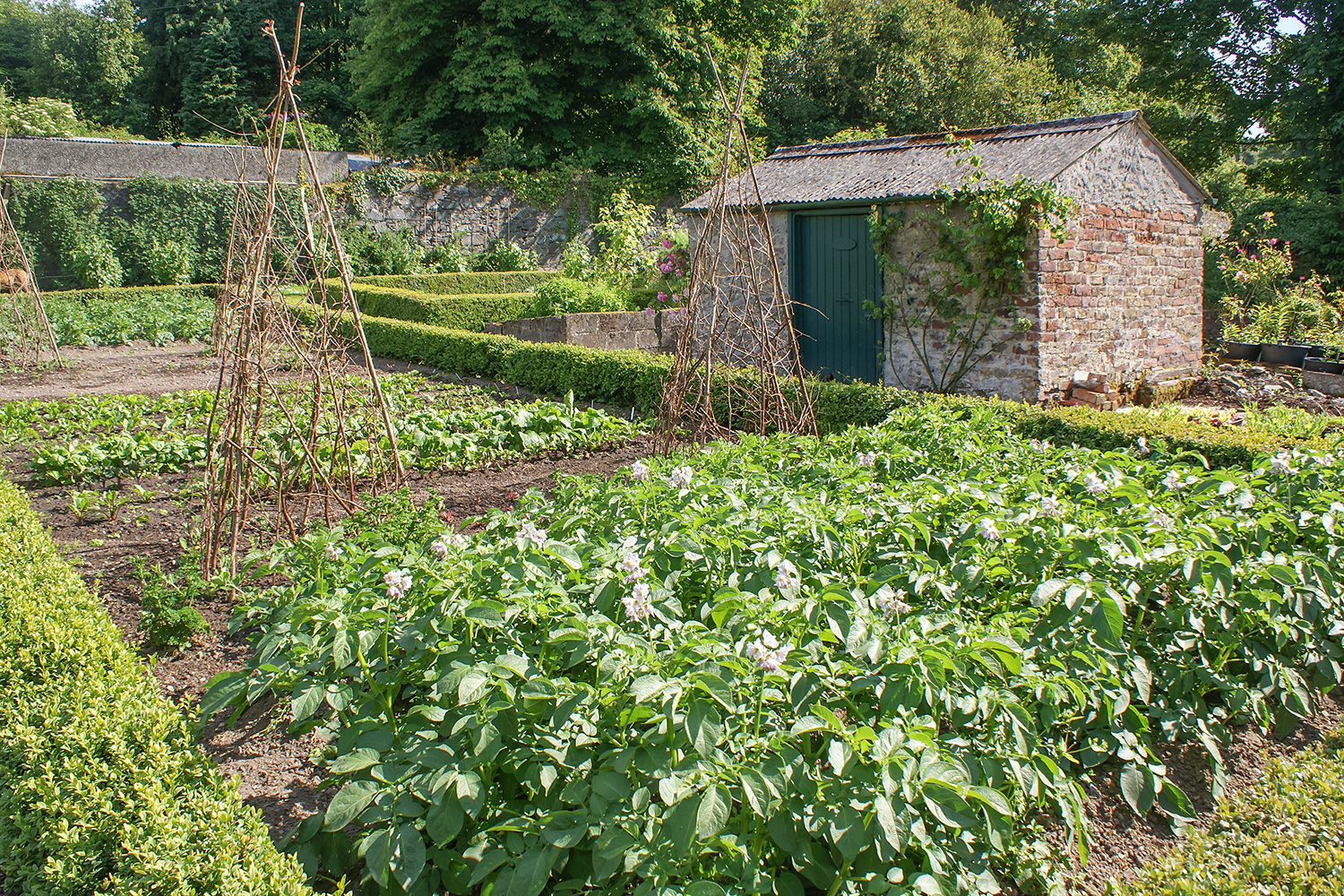
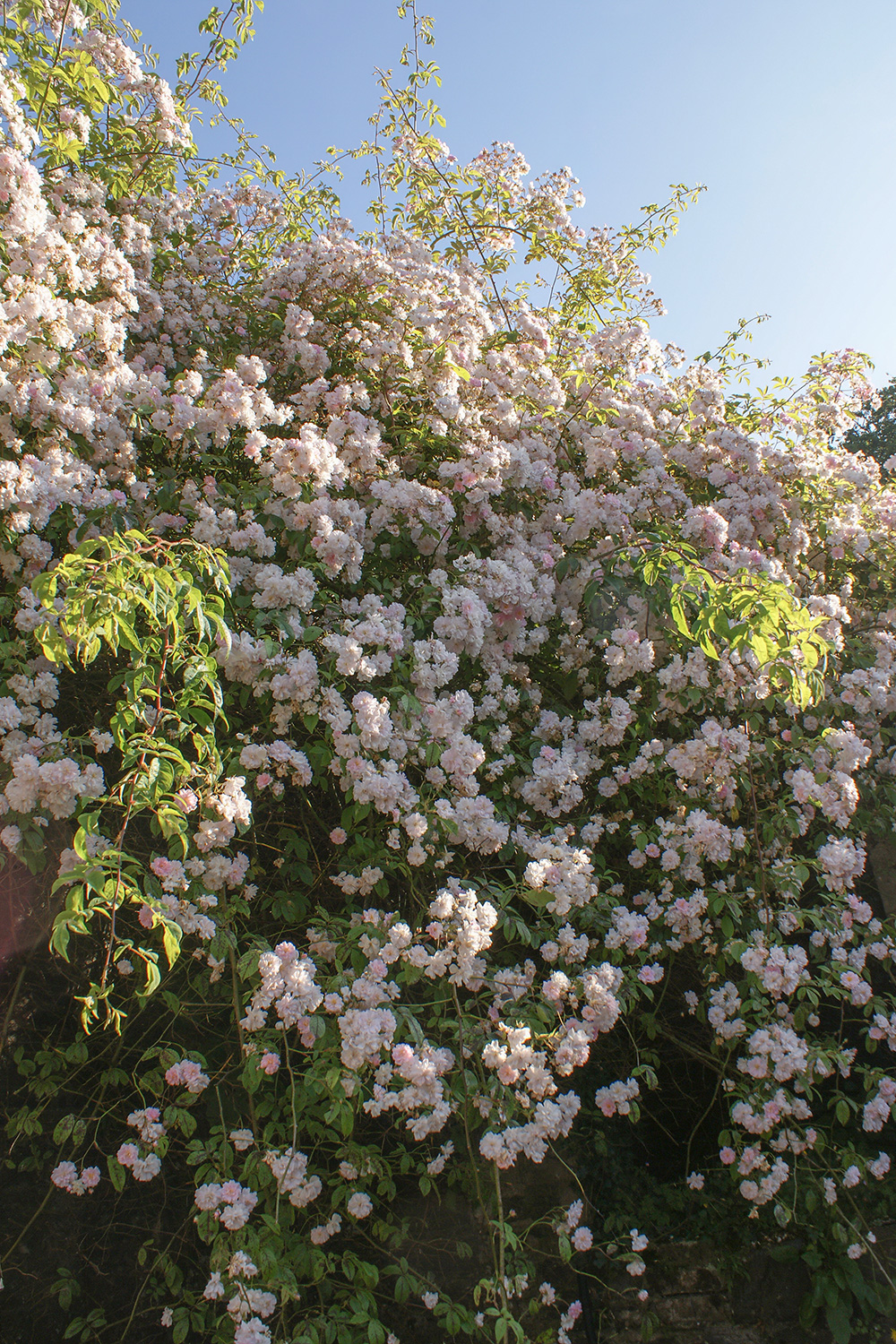
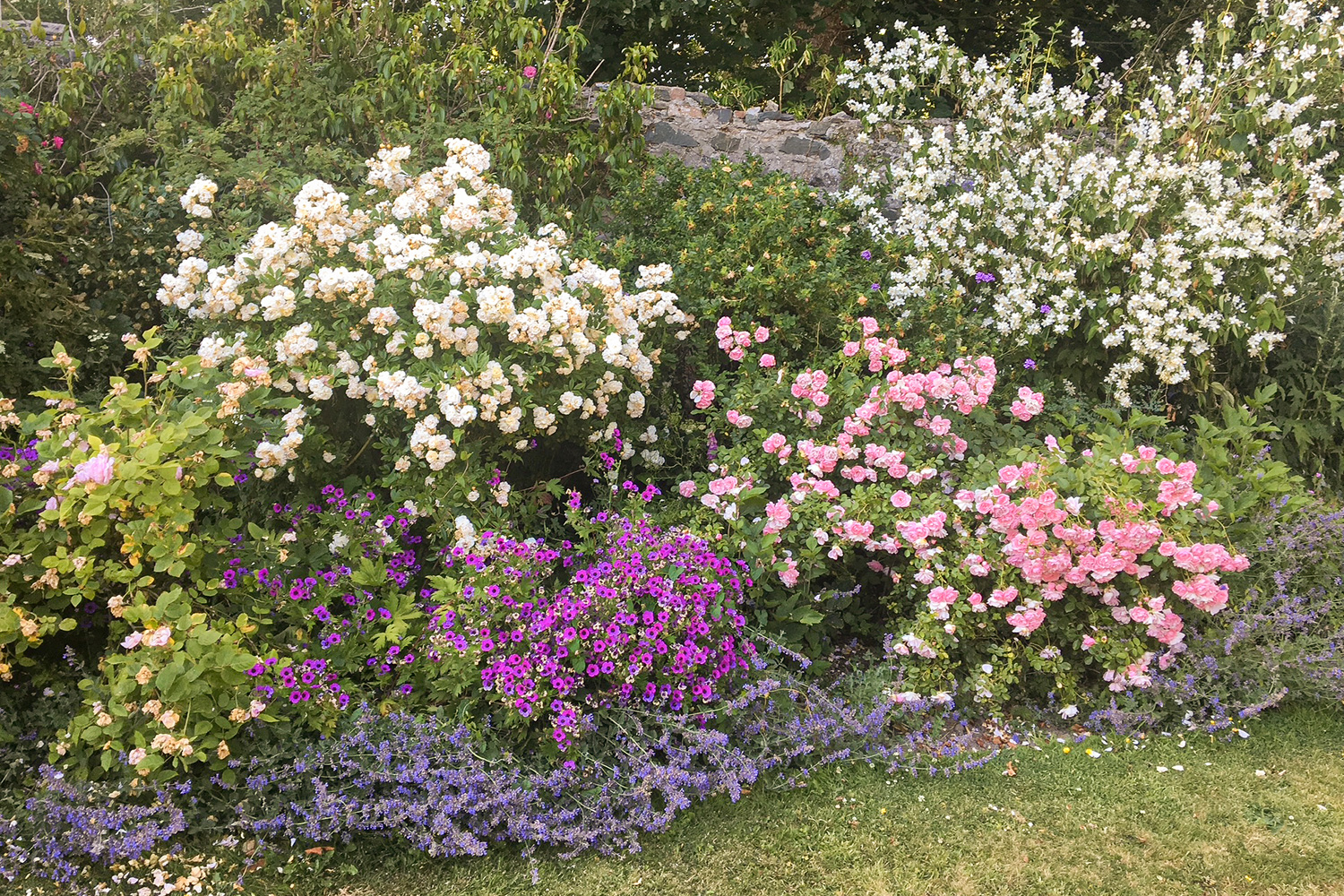
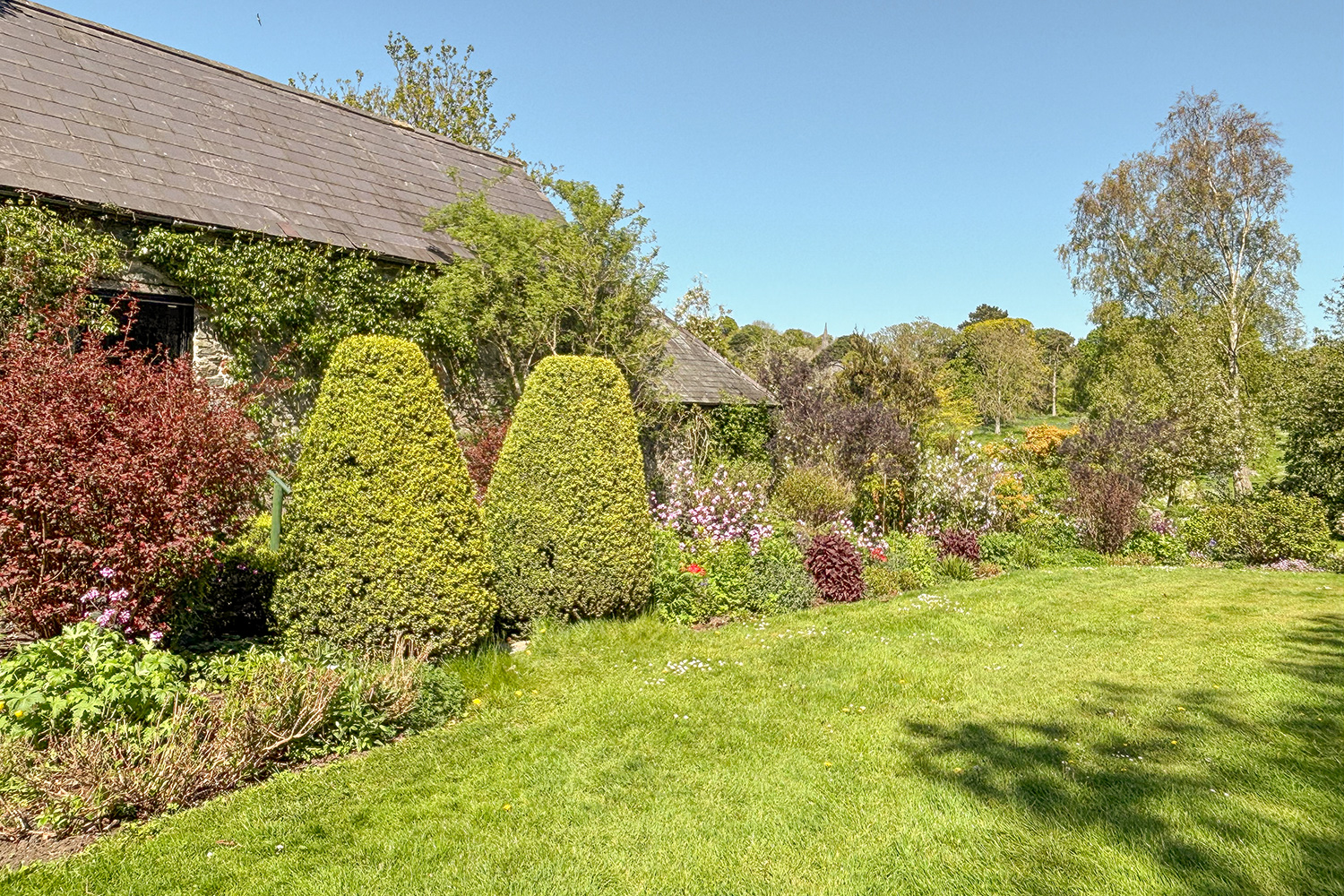
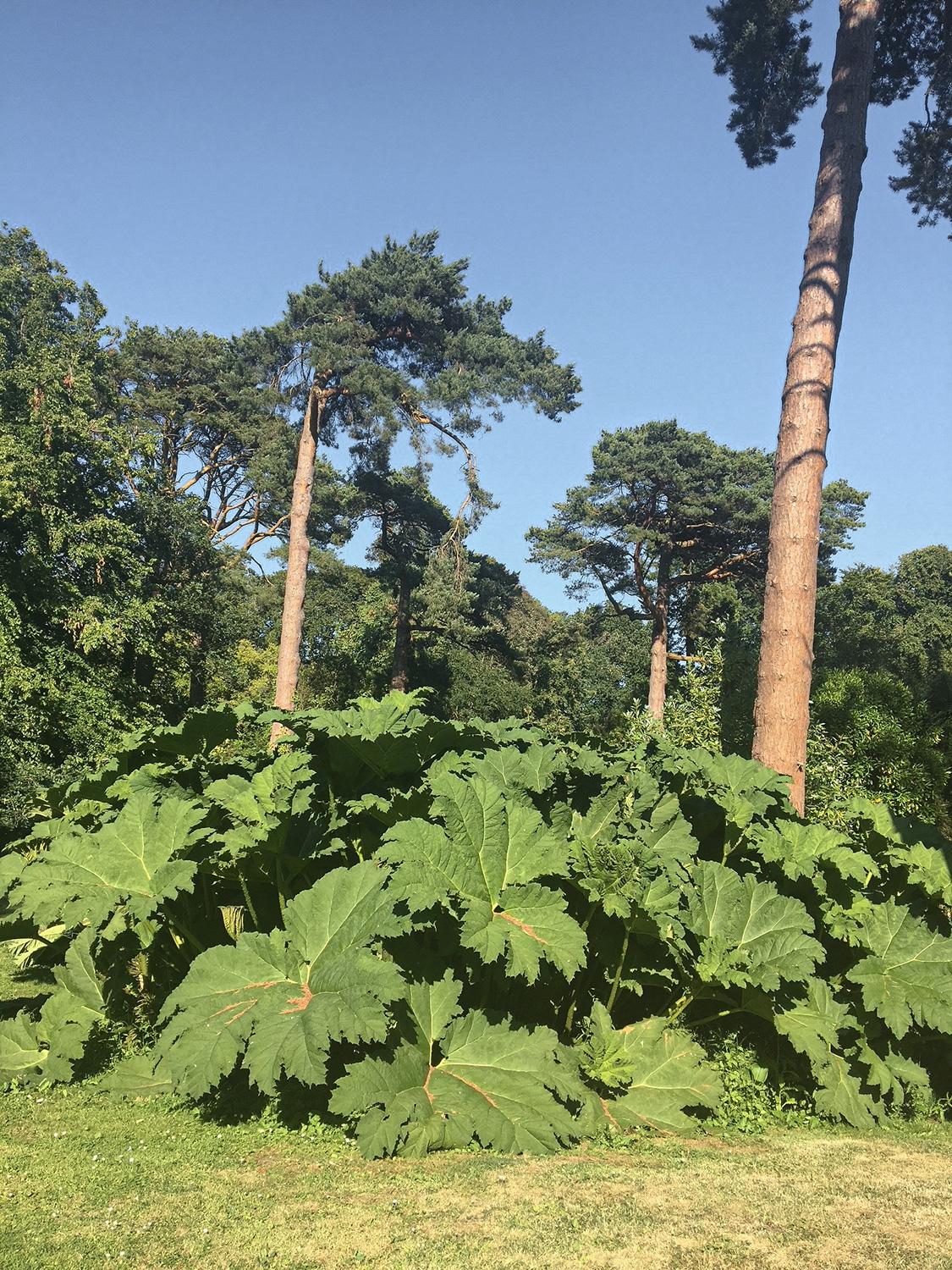
The extensive gardens include a large walled garden, including the Victorian kitchen garden and orchard. There is also a more recently established Southern Hemisphere garden with an extensive collection of plants from Chile, New Zealand, Australia and South Africa - established over the last 30 years with assistance from the Edinburgh Botanical Gardens.
Given its strategic location on the shores of Strangford Lough, Grey Abbey has a long history, starting with an iron-age rath on the Estate.
A Cistercian Abbey was built in the 12th century, founded by monks from Furness Abbey in Cumbria. The Montgomery family established its presence with the arrival of Hugh Montgomery from Ayrshire in 1604. Hugh Montgomery acquired extensive lands around the northern part of the Ards peninsula as a result of an agreement with the existing landowner Con O’Neill, which involved assisting his escape from imprisonment in Carrickfergus Castle by arranging for a key to be smuggled to him in a wheel of cheese.
Sponsored by James 1st, Hugh Montgomery brought with him numerous families from Scotland to settle the Ards and North Down area, which had been substantially depopulated following years of destructive wars during the Elizabethan era.
This was the first attempt at colonisation from Scotland into Ireland, which went on to develop into a much larger project and provided the template for the subsequent colonisation of North America.